The Science Behind Stretching: How It Boosts Your Mood
Stretching is often seen as a physical activity that enhances flexibility and prepares the muscles for exercise; however, it plays a crucial role in improving mental health as well. According to research published by NCBI, stretching effectively reduces tension in the body, which is directly linked to improved mood. When we engage in stretching exercises, it stimulates the release of endorphins, neurotransmitters that create feelings of pleasure and happiness. This biochemical process not only helps alleviate stress but also aids in combating feelings of anxiety and depression.
Furthermore, stretching promotes deep breathing, a behavior that has been shown to enhance emotional regulation. Deep and mindful breathing during stretching can help lower levels of cortisol, the hormone responsible for stress. Engaging in a routine that incorporates stretching can lead to a positive feedback loop: as your mood improves, you’re more likely to stick with your fitness routine, which further contributes to your mental well-being. To learn more about the physiological effects of stretching and its benefits on mood, check out this detailed article from Healthline.
5 Simple Stretches to Start Your Day with Positivity
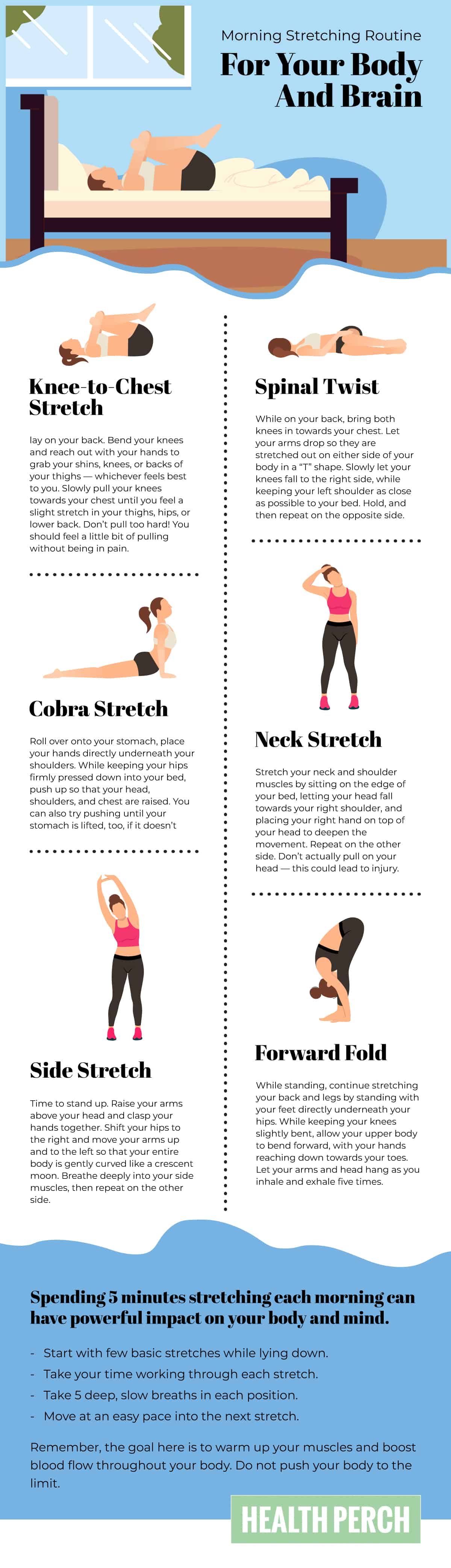
Starting your day with positivity can significantly enhance your mental and physical well-being. Incorporating simple stretches into your morning routine is an excellent way to achieve this. These stretches not only improve flexibility but also help to wake up your body and mind. Below are 5 simple stretches that you can easily integrate into your morning. Each stretch can be performed in just a few minutes, making it perfect for busy mornings. Remember, taking time for yourself is essential for maintaining balance in your life. For more information on the benefits of stretching, you can check out Healthline's guide on stretching.
- Neck Rolls: Stand or sit comfortably and gently roll your neck in a circular motion. This helps release tension in your neck and shoulders.
- Shoulder Shrugs: Lift your shoulders towards your ears and then release them down. Repeat several times to clear any tightness.
- Cat-Cow Stretch: On all fours, alternate between arching your back (cat) and sinking your belly (cow) to promote spine flexibility.
- Forward Bend: Stand tall, exhale, and bend forward gently to release lower back tension. Let your head hang and take deep breaths.
- Child’s Pose: Kneel on the floor, sit back on your heels, and stretch your arms forward. This restorative pose calms the mind while stretching the back.
Incorporating these stretches into your routine ensures you start your day with a refreshed mindset. For additional insights on maintaining positivity through physical activity, visit Mindbodygreen.
Can Stretching Really Improve Your Mental Health?
Stretching is often associated with physical benefits, but recent studies suggest that it can also play a significant role in enhancing mental health. Engaging in regular stretching exercises can reduce muscle tension and promote blood circulation, which in turn may lead to feelings of relaxation and well-being. According to a study published by the National Institutes of Health, incorporating stretching into your daily routine can help mitigate symptoms of anxiety and stress by encouraging mindfulness and body awareness.
Moreover, stretching can serve as a form of meditative practice, allowing individuals to connect deeply with their bodies and promote a sense of calm. When you focus on your breath and the sensations in your muscles, you create a mind-body connection that is beneficial for emotional regulation. Notably, research from the Frontiers in Psychology indicates that mindful stretching practices can lead to a reduction in negative thoughts and enhance overall mood. Therefore, incorporating stretching into your lifestyle might not only improve flexibility but also significantly enhance your mental well-being.