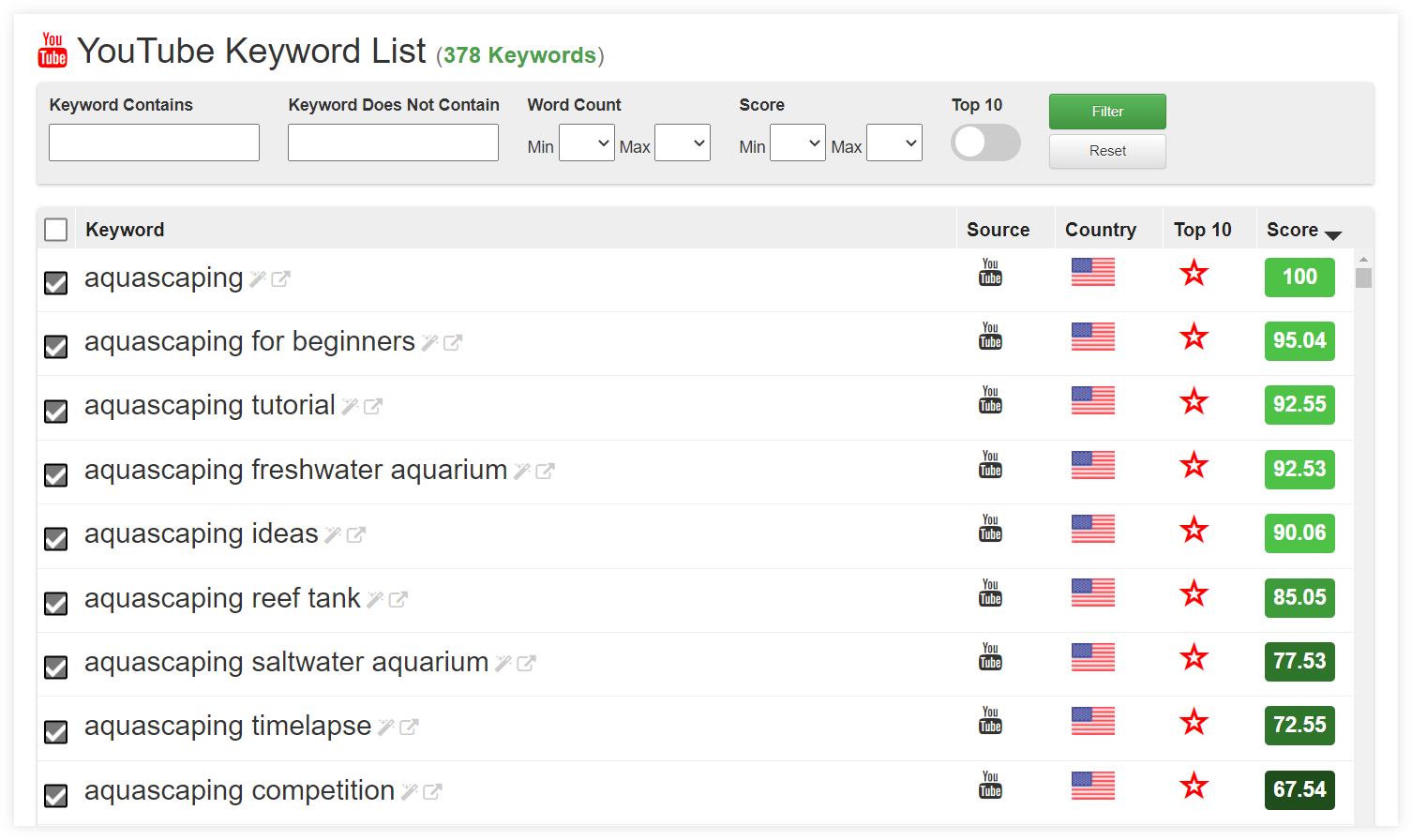
Are You Using the Right Keyword Tools? Discover the Hidden Impact on Your Search Strategy
Finding the right keyword tools is essential for crafting an effective SEO strategy. Many bloggers and content creators overlook the importance of using the right tools, which can lead to underperforming content and missed opportunities. The market offers an array of options, from free tools with basic functionalities to advanced platforms that provide in-depth analytics. By leveraging these tools, you can uncover valuable insights into search trends, competition, and user intent, ensuring that your content is aligned with what your audience truly wants.
Moreover, utilizing appropriate keyword tools can profoundly impact your search visibility and rankings. For instance, incorporating long-tail keywords—which are often easier to rank for—can drive targeted traffic to your site. Consider the following benefits of using keyword tools:
- Identify high-ranking keywords relevant to your niche.
- Analyze the competitiveness of keywords and adjust your strategy accordingly.
- Uncover gaps in the market where your content can thrive.
By making informed decisions based on data gathered from these tools, you can enhance your search strategy and stay ahead of the competition.
5 Keyword Research Tools That Could Change Your SEO Game Forever
In the ever-evolving landscape of digital marketing, keyword research plays a pivotal role in shaping effective SEO strategies. Utilizing the right tools can not only enhance your website's visibility but also drive targeted traffic to your blog. Here are five keyword research tools that can transform your SEO game:
- Google Keyword Planner: A staple for any SEO expert, this tool helps you discover keywords related to your niche and provides insights into their search volume and competition.
- Ahrefs Keywords Explorer: Known for its extensive database, Ahrefs offers detailed keyword analysis, including click-through rates and related terms.
- SEMrush: This all-in-one tool allows you to analyze your competitors’ keyword strategies while also giving you the ability to find high-performing keywords in your field.
- Ubersuggest: A user-friendly option for beginners, Ubersuggest provides keyword suggestions, as well as insights into the SEO difficulty score.
- Answer the Public: This unique tool visualizes questions and phrases that people are searching for based on your main keyword, helping you create more targeted content.
Incorporating these keyword research tools into your SEO strategy could lead to substantial improvements in your website's performance. For instance, by identifying long-tail keywords that have lower competition, you can create niche content that attracts a specific audience. Moreover, understanding what your target audience is searching for enables you to align your content with their needs, thus enhancing user engagement and retention. Overall, leveraging these tools can provide a competitive edge in the crowded online space, ensuring that your blog reaches its full potential.
Why Your Keyword Strategy Might Be Wrong: Insights from Top Tools
In the dynamic world of SEO, a well-crafted keyword strategy forms the backbone of your content strategy. However, many bloggers and marketers find their efforts falling short due to ineffective keyword selection. Tools like SEMrush and Ahrefs offer insights into search volume and keyword difficulty, yet relying solely on these metrics can lead to complacency. It's crucial to consider factors such as user intent, competitive analysis, and long-tail keywords. A strategy focused only on high-volume keywords may overlook niche opportunities that can drive targeted traffic.
Furthermore, regularly revisiting and refining your keyword strategy is essential for ongoing success. Analyze your top-performing content with tools like Google Analytics and identify the keywords that attract the most engagement. Consider using Google Search Console to discover what users are truly searching for related to your niche. By adjusting your approach based on real data, you can optimize your content for both current trends and enduring search queries, ultimately sustaining your blog's growth and visibility.