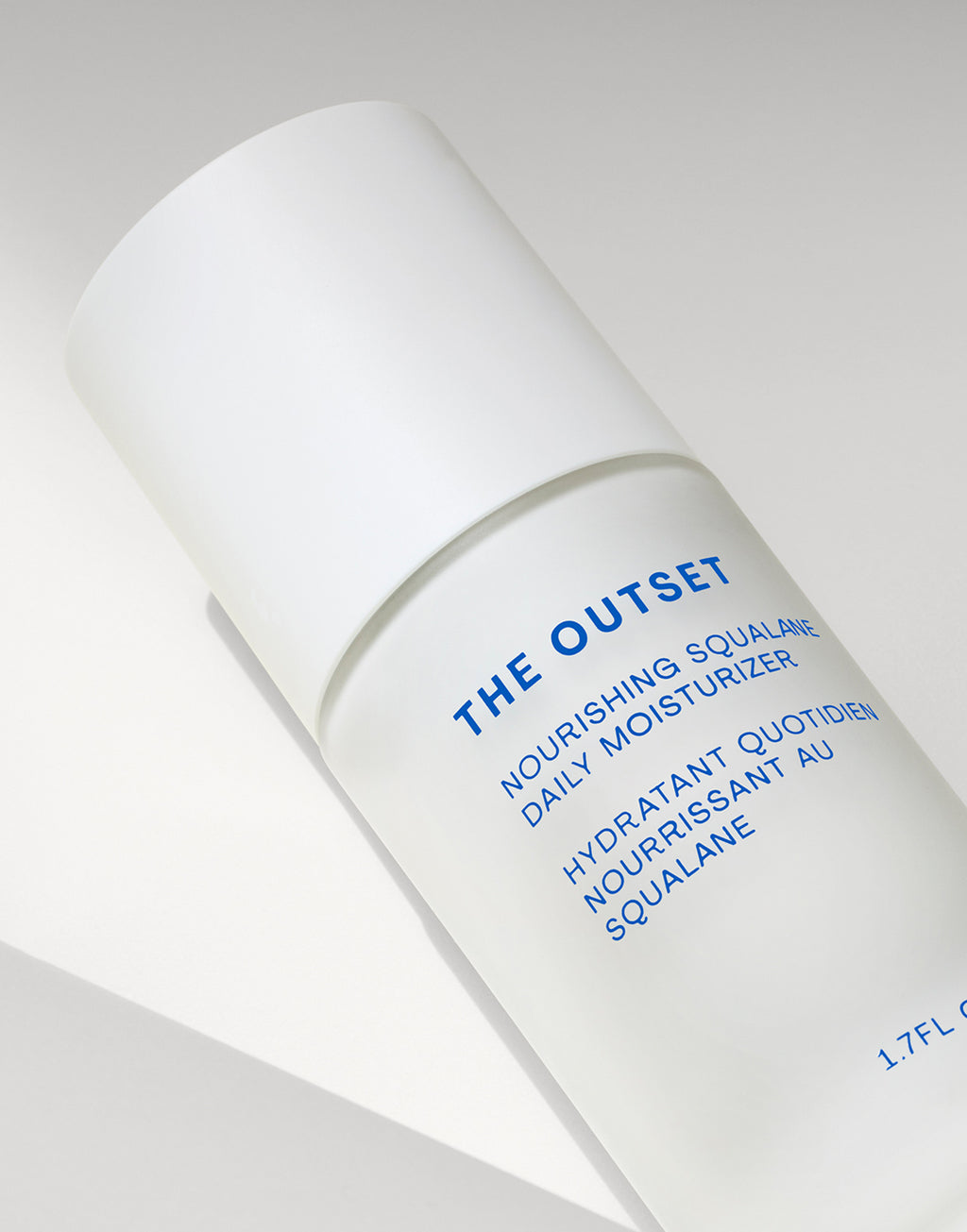
The Ultimate Guide to Choosing the Right Moisturizer for Your Skin Type
Choosing the right moisturizer for your skin type is essential for achieving healthy, radiant skin. Moisturizers come in various formulations, making it crucial to identify your skin type before selecting a product. Generally, skin types can be categorized into four main groups: normal, dry, oily, and combination skin. Knowing whether your skin tends to be oily and shiny or dry and flaky can guide you towards the right ingredients. For exemplary guidance, consult articles on American Academy of Dermatology.
For those with dry skin, look for rich, creamy formulations that contain hydrating ingredients like glycerin and hyaluronic acid. Alternatively, if your skin is prone to breakouts and excess oil, oil-free, non-comedogenic options that contain ingredients such as salicylic acid are often more suitable. Lastly, individuals with combination skin might benefit from lightweight lotions that balance moisture without overloading the oily areas. To explore more about various skin types and choosing the best products, check out the Skincare by Alana blog.
5 Common Moisturizer Mistakes You Didn't Know You Were Making
Moisturizers are essential for maintaining healthy skin, but many people unknowingly make moisturizer mistakes that can hinder their skincare routine. One common error is applying moisturizer on dry skin rather than on slightly damp skin after cleansing. According to a Healthline article, locking in moisture when the skin is still damp helps to enhance hydration levels, making your moisturizer more effective. Another mistake is using the same product year-round without considering seasonal changes. Just like our wardrobe, our skin has different needs depending on the weather; during winter months, your skin may benefit from a richer, thicker cream compared to the lightweight lotion you use in summer.
Additionally, many people fail to apply enough product to reap its benefits. It’s recommended that you use about a quarter-sized amount for your face and neck to adequately shield your skin from dryness and irritation. A key aspect often overlooked is the importance of reapplying moisturizer throughout the day, especially in air-conditioned or heated environments. As noted in a study by the American Academy of Dermatology, applying moisturizer twice daily can dramatically improve skin hydration. Lastly, be cautious of the ingredients in your moisturizer; some harsh components may counteract the hydration you’re trying to achieve, leading to further skin issues.
Is Your Moisturizer Doing Its Job? Signs You're Using the Wrong Product
Understanding whether your moisturizer is truly effective can be crucial for maintaining healthy skin. Here are some signs you're using the wrong product:
- Dry or Tight Skin: If your skin still feels dry or tight after applying moisturizer, it might not be hydrating enough. Check the ingredients for humectants like glycerin or hyaluronic acid that effectively draw moisture into the skin.
- Breakouts: Using a moisturizer that is too heavy or comedogenic can lead to clogged pores and breakouts. Opt for non-comedogenic products, especially if you have oily or acne-prone skin. You can find more information on this topic from reputable sources like the American Academy of Dermatology.
Another important factor is how your skin reacts over time. If you notice any irritations, redness, or increased sensitivity after using a new moisturizer, it's likely not suitable for your skin type. Additionally, if your skin lacks radiance or appears dull, it may indicate that the moisturizer does not provide adequate nourishment. For personalized advice, consider consulting a dermatologist. You can learn more about choosing the right moisturizer by visiting the National Center for Biotechnology Information.